
Disclosure: As an Amazon Associate I earn from qualifying purchases. How this site works
Hard Shell Luggage
Hardside suitcases protect fragile items, shrug off rain and stack neatly, but shell material, wheels, handles and size rules make a big difference to how they travel. This guide explains what to compare and how to choose a hard shell case for the trips you actually take.
- Plain-language buying checklist
- Links to current Amazon listings
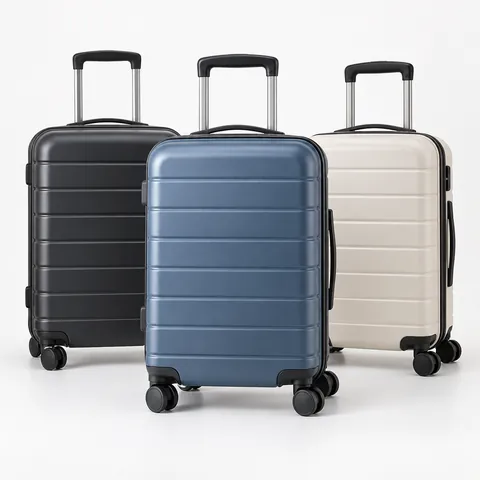 Hard shell carry-on suitcases
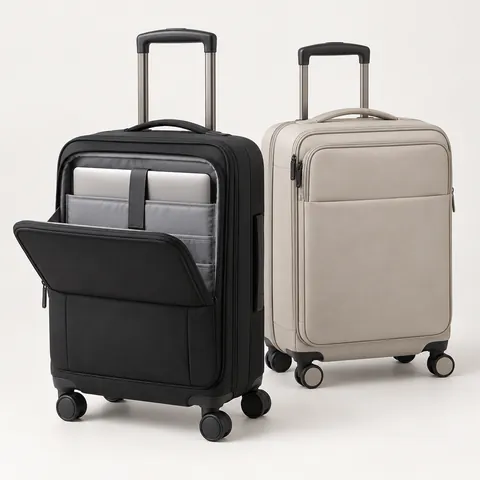 Carry-ons with a laptop pocket
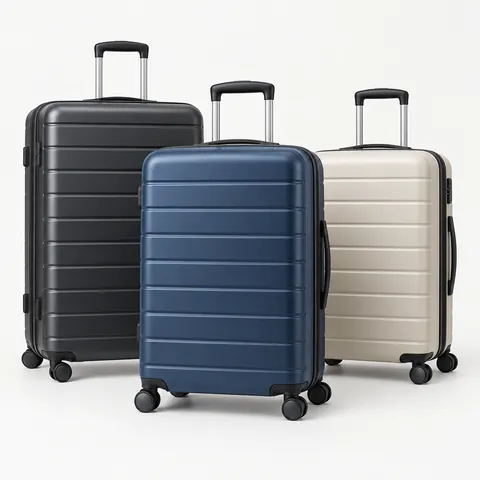 Hard shell checked suitcases
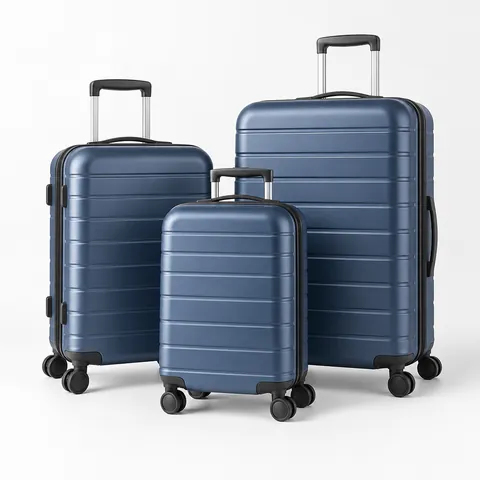 Hard shell luggage sets
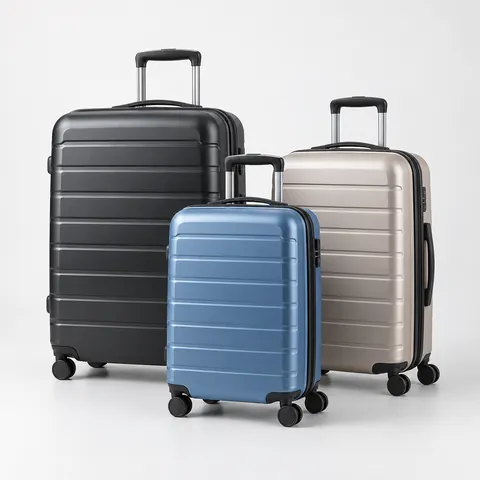 Polycarbonate suitcases
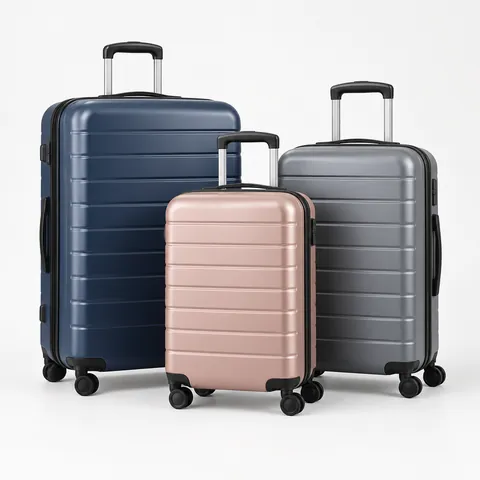 ABS suitcases
Why choose hard shell luggage
- Protection — a rigid shell resists crushing and protects bottles, electronics and souvenirs better than most soft cases.
- Weather resistance — shells shed rain; the zip is the main weak point.
- Easy cleaning — wipe the surface rather than scrubbing fabric.
- Even packing — the typical 50/50 clamshell opening gives two equal compartments with compression straps or a divider.
The trade-offs: no outer pockets on most models, both halves need space to open, and shells scuff and can crack if the material is brittle.
Shell materials compared
| Material | Strengths | Weaknesses |
|---|---|---|
| Polycarbonate (PC) | Flexes on impact and springs back; good strength for its weight | Scratches show; quality varies with the grade used |
| ABS | Light and inexpensive | Stiffer and more brittle; more prone to cracking |
| PC/ABS blend | Lower cost than pure PC | Performance between the two |
| Polypropylene (PP) | Very light and flexible | Less rigid; fewer models |
| Aluminium | Very strong and distinctive; long life | Heavy and expensive; dents are permanent |
| Curv / composite | High impact resistance for low weight | Premium price |
Product listings often say “100% polycarbonate”, “PC/ABS” or just “hardside”. If the material is not stated clearly, check the manufacturer’s specification page. For a closer comparison, see polycarbonate vs ABS luggage.
Carry-on and checked sizes
| Category | Typical exterior size | Notes |
|---|---|---|
| Carry-on (many US airlines) | About 22 × 14 × 9 in (56 × 36 × 23 cm) including wheels and handles | Limits vary by airline; budget carriers are often smaller |
| Carry-on (many international airlines) | Around 55 × 40 × 20–23 cm | Weight limits of 7–10 kg are common outside the US |
| Medium checked | 24–26 in tall | One to two weeks of clothes |
| Large checked | 28–30 in tall | Easy to exceed the 50 lb / 23 kg economy weight limit when full |
Airline limits change and differ between fare types, so check your airline’s current baggage page before buying. Measure a suitcase including wheels and handles — some product listings quote body size only. See choosing a hard shell carry-on for a detailed checklist.
Wheels, handles and zips
- Spinner (four-wheel) cases roll upright in any direction and are easy in airports; double spinner wheels are smoother. Wheels stick out and can be damaged, and spinners roll away on slopes.
- Two-wheel (inline) cases are pulled behind you, handle rough pavements and kerbs better, and give slightly more packing space within the same outer size.
- Telescopic handle — check it locks at a height that suits you and does not wobble.
- Zips — larger, sturdier zips resist bursting; some cases use an aluminium frame with latches instead of a zip.
- Expandable — an expansion zip adds a few centimetres of space but can take a carry-on over the size limit when expanded.
Locks
Many hardside cases have a built-in combination lock approved for TSA screening in the United States, which lets security officers open it with a master key instead of cutting it. A lock deters casual opening but does not make a zip case secure against determined theft; framed cases with latches are harder to open. Set your combination as soon as you receive the case.
What to check in a listing
- Exterior dimensions including wheels and handles.
- Empty weight — every kilo of case is a kilo less for belongings.
- Shell material stated clearly.
- Wheel type and whether wheels are replaceable.
- Interior layout: divider, compression straps, pockets.
- Warranty length and what it covers (many exclude airline damage or cosmetic scuffs).
- Return policy in case the size or colour disappoints.
When you are ready to compare specific cases, browse hard shell carry-on suitcases, hard shell checked suitcases and hard shell luggage sets, and verify current specifications and prices on the merchant’s page.
Looking after a hard shell case
Wipe the shell with a damp cloth and mild soap. Small scuffs on polycarbonate can often be reduced with a melamine sponge; test on a hidden area first. A fitted fabric cover protects the shell from scratches in the hold. Store the case empty and unzipped in a dry place, and occasionally clean grit from wheels and zips. If a wheel breaks, many manufacturers sell replacements.
Frequently asked questions
Is hard shell luggage better than soft?
It protects contents better and resists rain, while soft luggage has outer pockets and squeezes into tight spaces. It depends on how you travel.
Is polycarbonate or ABS better?
Polycarbonate is generally more impact-resistant and flexible; ABS is lighter and cheaper but more prone to cracking.
What size is a carry-on?
Many US airlines allow about 22 × 14 × 9 in including wheels; international limits vary, so check your airline.
Do hard shell suitcases crack?
Brittle shells can crack under hard impact, especially in cold weather. Flexible polycarbonate resists this better.
Are spinner wheels worth it?
They make airport walking easy; two-wheel cases handle rough ground better.
Does this site test luggage?
No. We explain features and specifications; we do not run hands-on tests. Always check the merchant’s page for current details.
Disclosure: As an Amazon Associate I earn from qualifying purchases. This site may earn a commission when you buy through its links, at no extra cost to you. Product details come from public manufacturer information; always check the merchant page for current specifications and prices. We have not hands-on tested the products described here.